Two Symptoms, One Cause
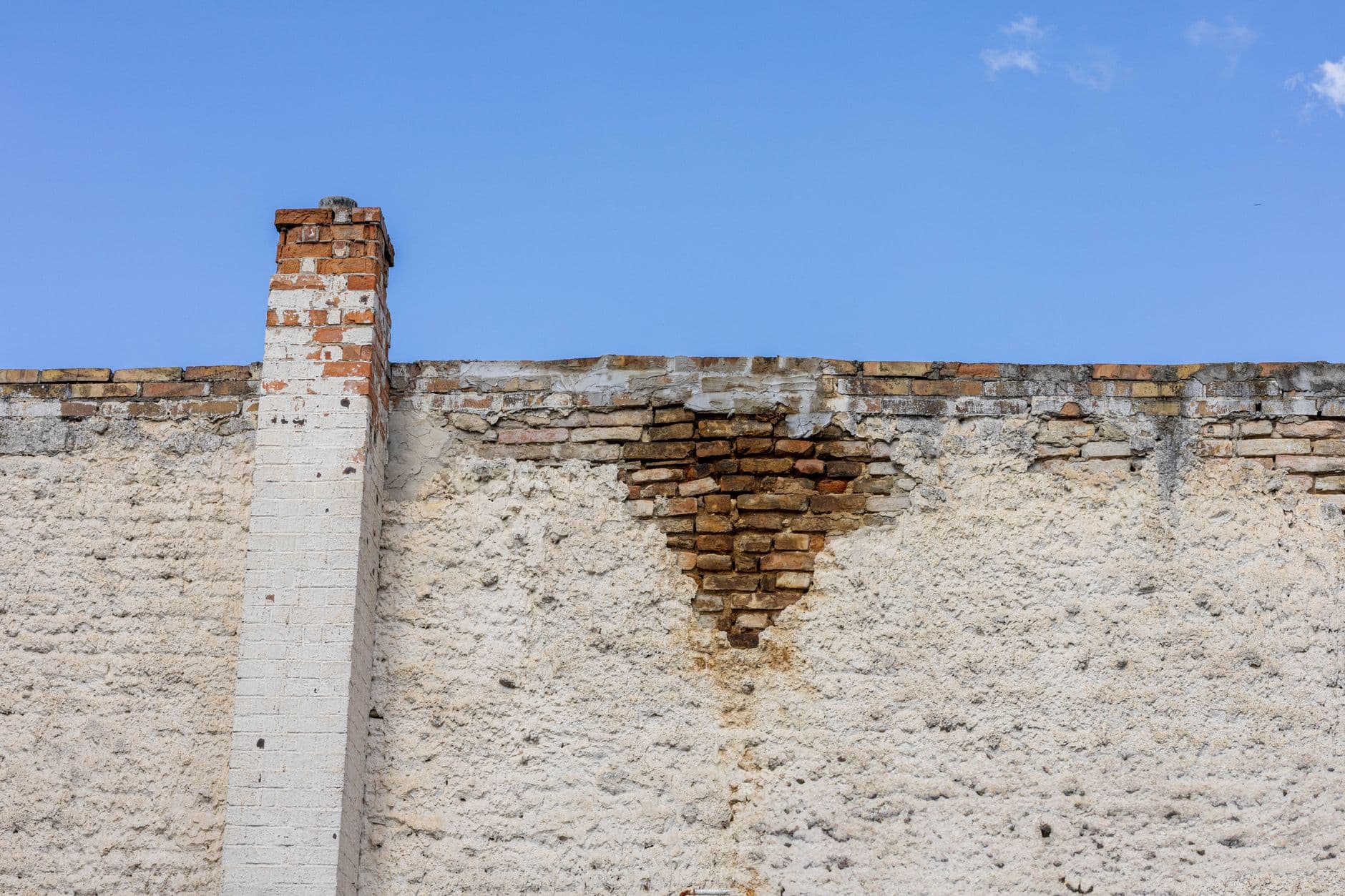
Homeowners in Thousand Oaks sometimes send us photos of their chimney with one of two questions. Why is the brick flaking off? Or, what is this white powder on the bricks? They look like different problems. They are usually the same one, seen at different stages. Both are signs that water is getting into the masonry faster than it can dry out, and both point toward where it is coming from.
How Brick Handles Water
Fired clay brick is porous. It takes in water when it rains and lets it out again as it dries, and mortar does the same. That breathing is normal. A chimney built with sound brick, a good crown, a cap and proper flashing can go through wet and dry cycles for a very long time with no trouble at all.
The trouble starts when the chimney gets more water than it can shed. A cracked crown lets rain into the core of the stack. A missing cap lets it into the flue, where it soaks into the surrounding masonry. Failed flashing lets it into the brick at the roofline. Brick that would normally dry in a day or two after a storm stays damp for weeks, and with each storm the water carries more dissolved material through it.
The White Stain: Efflorescence
As water moves through brick and mortar, it dissolves salts that are naturally present in them. When the water reaches the surface and evaporates, the salts stay behind as a white, crystalline or powdery deposit. That is efflorescence.
On its own, efflorescence does no harm to the brick. You can brush most of it off with a stiff dry brush. But it is a very good map. It shows where water is coming out of the masonry, which tells you roughly where it went in. Efflorescence near the top of a chimney points to the crown. Efflorescence in a band just above the roofline points to the flashing or to water running down from above and pooling there. Efflorescence on the inside of the chimney breast, in the living room or attic, means water is travelling all the way through.
Washing it off with water, or worse, with a pressure washer, adds more water and brings out more salts. Removing the source is what stops it.
The Flaking Face: Spalling
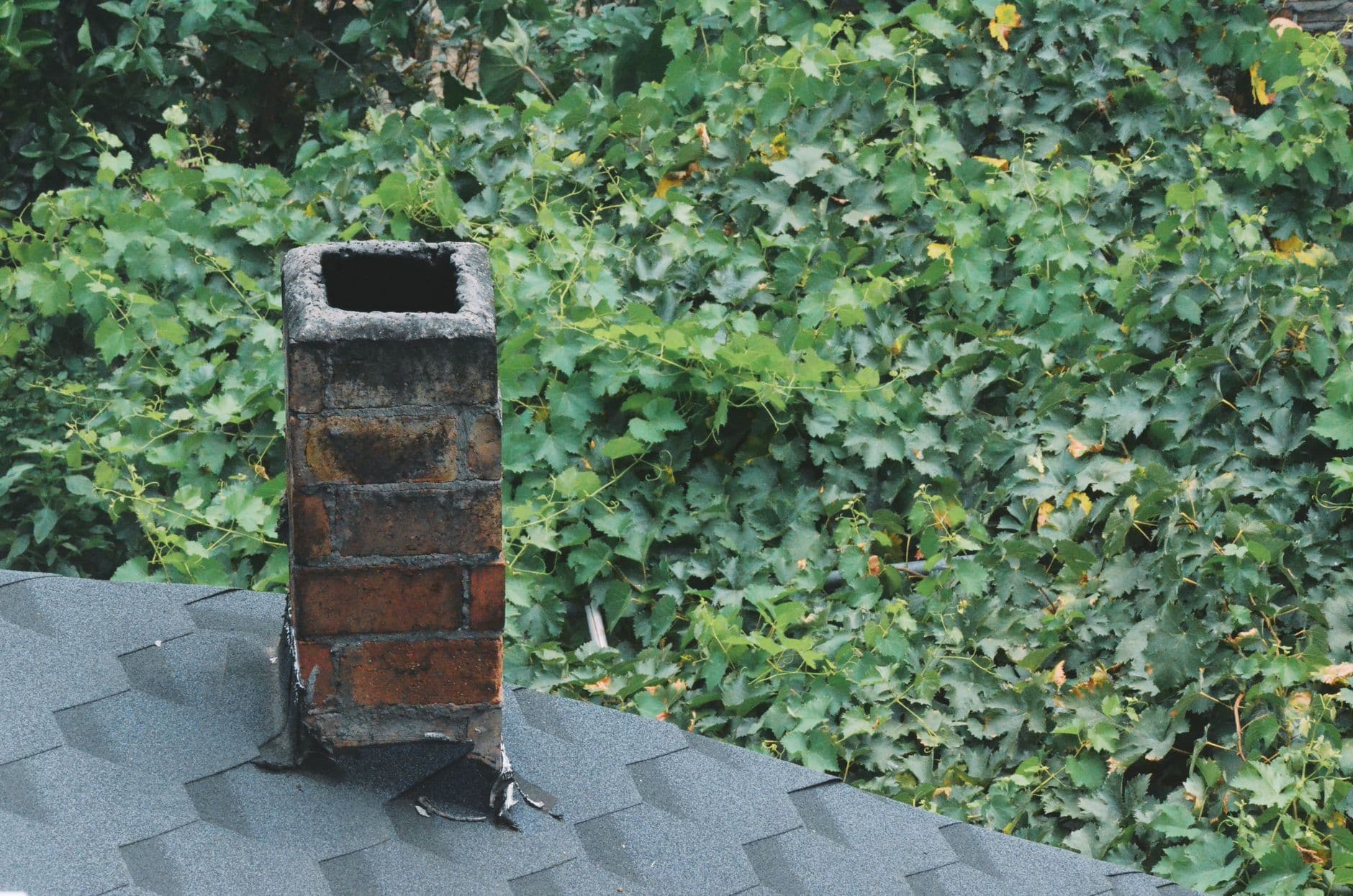
Sometimes the water does not make it all the way to the surface before evaporating. It dries just under the face of the brick instead, and the salts crystallize there. As crystals grow in the tiny pores, they push outward, and over many cycles the face of the brick pops off in flakes, chips or whole layers. That is spalling.
In cold climates, freezing water causes most spalling. Here, freezes are rare in the valleys, so salt crystallization and repeated wetting and drying do most of the work. The result looks much the same: brick faces flaking, edges crumbling and, in bad cases, bricks reduced to half their original depth. Spalled brick lets water in even faster, so the damage accelerates once it starts.
Reading the Pattern
Where the damage sits says a lot about the cause.
| What you see | Usual source |
|---|---|
| Spalling or efflorescence on the top few courses | Cracked crown or mortar wash |
| Damage in a band just above the roof | Flashing, or water pooling at the roof joint |
| Damage on the side facing the worst weather | Wind-driven rain on brick that cannot dry |
| Damage under a hose bib, sprinkler or downspout | Water from the yard, not the sky |
| Damage after a coating was applied | Water trapped behind a non-breathing sealer |
That fourth row catches people out. Sprinklers that hit the chimney every morning can keep the lower brick wet all year, and that is common in irrigated yards here. Turning the sprinkler head away can be the whole fix.
The Coating Trap
One of the more damaging things that can happen to a chimney is a well-meant coat of paint or ordinary sealer. A film-forming coating blocks the brick's pores. Water still gets in through cracks, joints and the crown, but now it cannot get out through the face. It collects behind the coating, and the brick spalls underneath, often taking the paint with it in sheets.
If a water repellent is used at all, it should be a breathable one, usually a siloxane-based product made for masonry, which sheds liquid water but lets vapor out. Even then it goes on only after the source is fixed and the brick is dry.
The Repair, in Order
Fixing spalling and efflorescence always follows the same sequence.
- - Stop the water. Repair or replace the crown, fit a cap, rebuild the flashing or redirect the sprinkler. Without this step, nothing else lasts.
- Let it dry. Masonry that has been wet for years needs time.
- Repair the masonry. Rake out and repoint soft mortar joints with a mortar matched to the brick. Cut out badly spalled bricks and replace them with matching units. Use a mortar that is not harder than the brick, so the joint, not the brick, takes the stress.
- Protect it. Where it makes sense, apply a breathable water repellent.
- Clean up. Brush off remaining efflorescence once the masonry is dry. Fresh deposits after that are a sign that water is still getting in.
Masonry repairs are quoted in writing after we have looked at the chimney, because the extent of the damage and the source both change the job. Our chimney masonry repair page covers the work in more detail, and if the damage is serious enough that the stack is loose, the chimney rebuilds page explains what comes next.
When to Call
White stains alone can be watched for a season if they are light. Flaking brick, loose mortar, or any damage combined with stains inside the house is worth an inspection before the next rainy season. A Level 1 inspection with us is $52, and it covers the readily accessible parts of the chimney inside and out. Get in touch through the contact page.
Need Professional Chimney Service?
If something in this article sounds like your chimney, we can trace it from the stain to the source. Contact Alderwood Chimney Services today for expert service throughout the Ventura County service area.